



The U.S. reversed a five-year decline in the Heritage Foundation’s Index of Economic Freedom with its biggest annual increase in the index in over two decades, FOX Business can exclusively reveal.
America’s economic freedom score rose by 2.6 points from a year ago to 72.8, which ranks 22nd among the more than 176 countries that had completed scores in the index. The increase of 2.6 points was the largest annual increase since 2001 and is the second-largest jump the U.S. has had in its 32-year history in the index.
Heritage’s Index of Economic Freedom assesses 12 economic freedoms that fall into four categories including rule of law, government size, regulatory efficiency and open markets – each of which has three subcategories.
“The U.S.’ score improvements in monetary freedom, government spending, fiscal health, and investment freedom have outpaced the relatively lower score in trade freedom, reflecting the net positive impact of major regulatory and tax reforms on economic growth, investment, and business confidence,” Heritage’s Anthony Kim, the Jay Kingham Research Fellow in International Economic Affairs, editor of the Index of Economic Freedom and manager of global engagement at the Margaret Thatcher Center for Freedom, told FOX Business.
BURGUM SAYS US-VENEZUELA TIES MOVING AT ‘TRUMP SPEED,’ WILL HELP KEEP ENERGY COSTS DOWN FOR AMERICANS
Kim explained that the progress “is not accidental” and is reflective of the Trump administration’s initiatives that have “cut government jobs, slowed spending, and prioritized private-sector growth through proactive, bold deregulatory and tax reforms.”
While the U.S. score of 72.8 came in at 22nd in the world rankings, it ranked 3rd in the Americas, trailing only Canada (75.6) and Chile (74.3), respectively. Mexico scored 59.8 and ranked 92nd in the world, and was in 19th place among the 32 countries in the Americas region.
In the rule of law category, the U.S. ranked highly with property rights, judicial effectiveness and government integrity all scoring well above the world average.
Government size was a relative weakness for the U.S., with a roughly average tax burden score of 75.3 compared to the global average of 78.4. Government spending scored 57.9 to the global average of 66.3, while fiscal health was a significant weak point – as the U.S. score of 18.5 was well below the global average of 65.9 due to high levels of public debt and large budget deficits.
US DEBT SET TO CRUSH WORLD WAR II RECORD AS ANNUAL DEFICITS EXPLODE TO $3T WITHIN DECADE

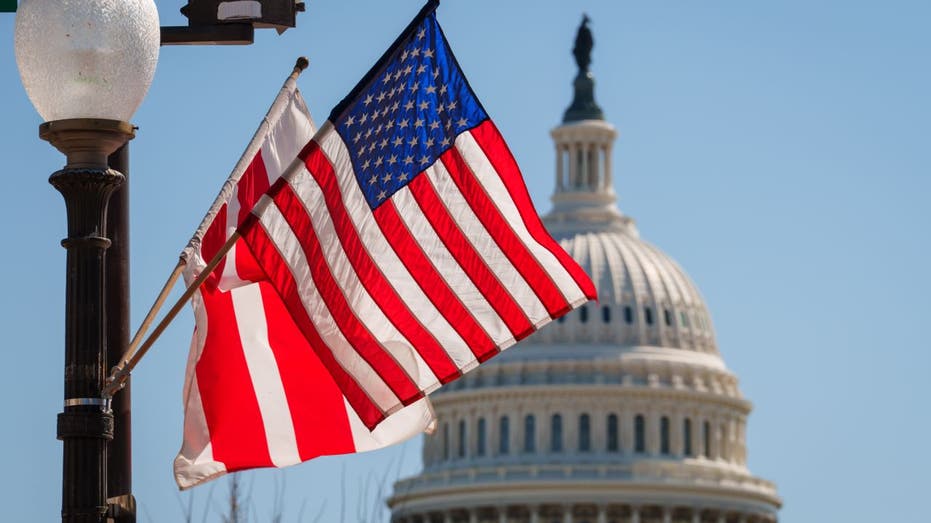
Aspects of regulatory efficiency assessed by the report included freedom for business, labor and monetary were all well above the Index’s global average.
In terms of open markets, the U.S. scored 67.6 in trade freedom, which was below the global average of 70.2. However, investment freedom and financial freedom each scored an 80 for the U.S., well above the global averages of 53.4 and 48.1, respectively.
Kim noted that the “impact of restrictive tariffs on the global economy has been far more muted than feared, in light of increased investment in such critical sectors as energy and AI (among many others),” adding that the lack of tariff retaliation by countries other than China, Canada and the EU mitigated the potential impact of a trade war.
US WEIGHS ASKING CHINA TO CURB RUSSIAN, IRANIAN OIL PURCHASES
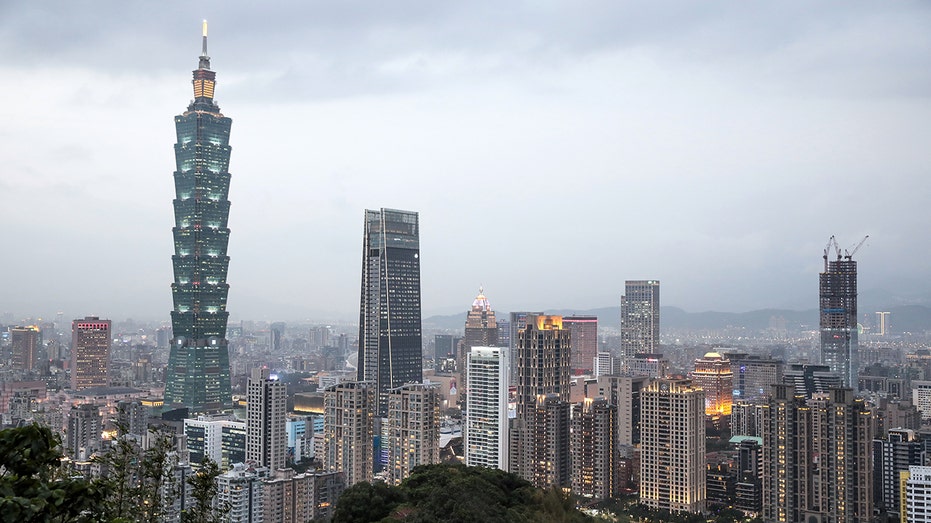
Countries with the highest overall scores in Heritage’s Index of Economic Freedom were Singapore (84.4), Switzerland (83.7%), Ireland (83.3), Australia (80.1) and Taiwan (79.8).
The countries that scored the lowest were among the most repressed in the world, with North Korea (3.1) ranked last. Cuba (25.2), Venezuela (27.3), Sudan (32.5) and Zimbabwe (35.2) rounded out the bottom five countries in Heritage’s analysis.
Russia (50.3), China (48.3) and Iran (41.8) were also among the lowest scoring countries in the index due to their repressive political and economic systems.
WHAT ARE THE BIGGEST BUDGET DEFICITS IN US HISTORY?
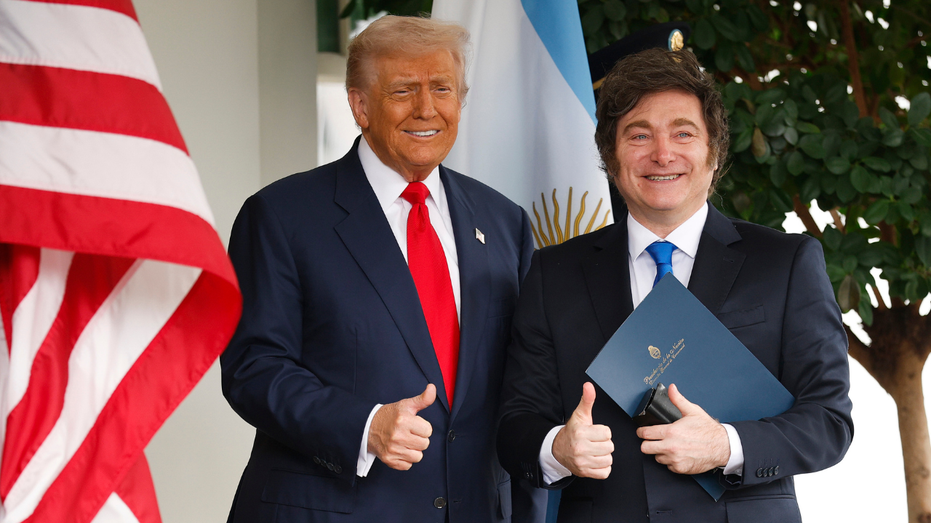
Argentina’s economic freedom rating saw the largest increase from a year ago of all countries in Heritage’s index, climbing by 3.2 points relative to last year.
“October 2025’s decisive midterm election victory provided reform-minded President Javier Milei with concrete support and greater momentum for continuing to transform Argentina’s economy,” Kim said.
Kim noted that several other countries, including Oman, The Philippines, Morocco and Paraguay, have “recorded sizable score improvements in their past two years despite challenging economic environments.”
He added that Paraguay’s President Santiago Peña has been “unambiguously promoting economic freedom, combating corruption, and building alliances with democratic nations.”
Read the full article here


