



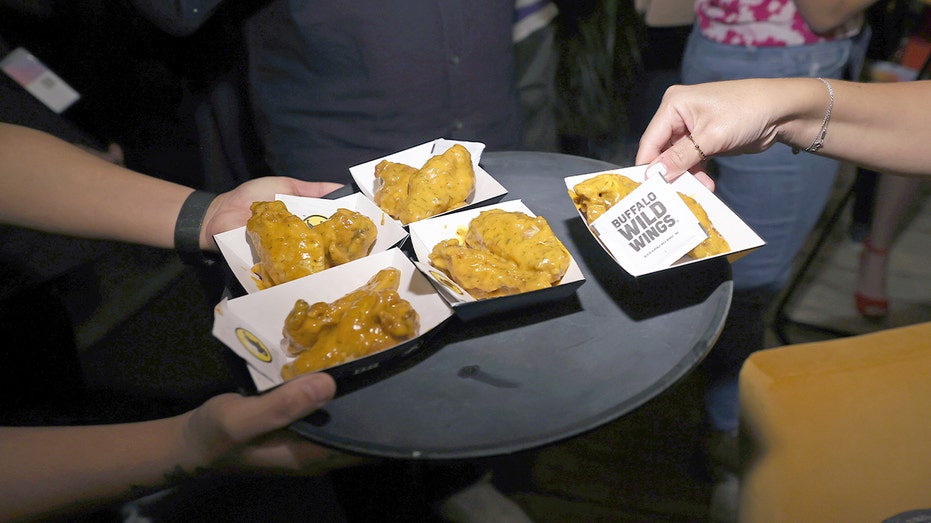
A federal judge has dismissed a lawsuit challenging Buffalo Wild Wings’ (BWW) use of the term “boneless wings,” rejecting a customer’s claim that the name misled him into thinking the dish was made from actual chicken wings with the bones removed.
In a lighthearted opinion packed with poultry puns, U.S. District Judge John Tharp Jr. said the plaintiff’s complaint had “no meat on its bones” and failed to show that reasonable consumers are deceived by the name.
The judge likened “boneless wings” to other familiar food nicknames, citing a recent Ohio Supreme Court ruling that noted diners don’t expect “chicken fingers” to be made of fingers.
The lawsuit, filed by Aimen Halim, argued that BWW’s boneless wings are essentially chicken nuggets made from breast meat and that the name is fraudulent because it suggests deboned wing meat.
2026 SUPER BOWL FOOD DEALS: WHERE TO FIND THE BEST GAME-DAY SAVINGS
Halim brought the suit against BWW alleging violations of the Illinois Consumer Fraud Act, breach of express warranty, common law fraud, and unjust enrichment.
He also sought to bring a nationwide class action, claiming that had he known what he was eating, he would have paid less or not bought the product at all.
CHICKEN WING CHAMPS FOR SUPER BOWL: AMERICANS TO SET CONSUMPTION RECORD DURING SUNDAY’S GAME

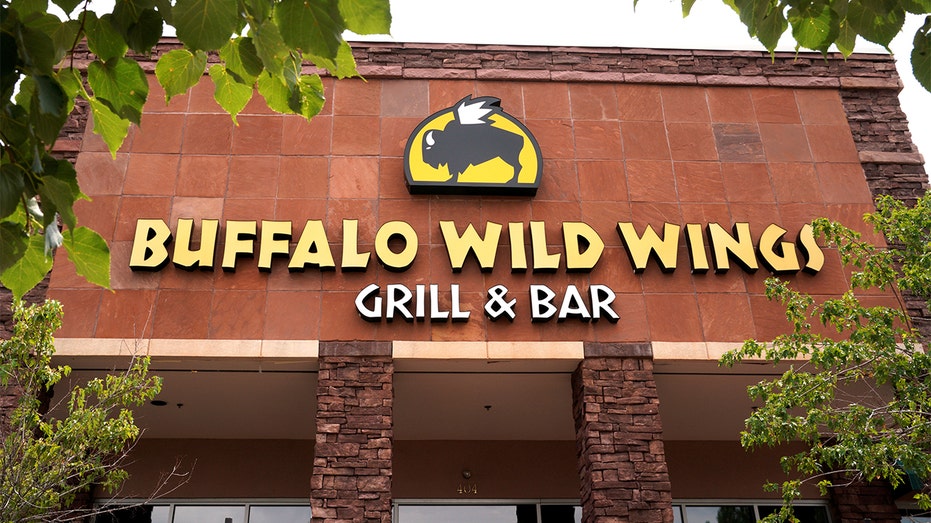
However, the court concluded that the phrase “boneless wing” is a “fanciful name” and that no reasonable consumer would believe they truly were deboned chicken wings “reconstituted into some sort of Franken-wing.”
“Despite his best efforts, Halim did not ‘drum’ up enough factual allegations to state a claim,” Judge Tharp Jr. wrote in his 10-page ruling.
FOOD PYRAMID BACKLASH: LOW-FAT ERA MAY HAVE FUELED OBESITY, DIABETES, SAYS DOCTOR
CLICK HERE TO DOWNLOAD THE FOX NEWS APP
While he found Halim had standing to sue because he alleged economic harm, he dismissed the claims for failing to plausibly allege deception.
He gave Halim until March 20 to file an amended complaint, though he signaled skepticism that any “additional facts” could be provided to salvage the claim.
Read the full article here


