


Chevron CEO Mike Wirth on Monday said that shortages in the oil supply chain will start appearing around the world because of the closure of the Strait of Hormuz amid the Iran war.
Wirth made the comments during a discussion at the Milken Institute’s Global Conference about global economic growth and said that economies in Asia will be the first to shrink as demand adjusts to the disruption of oil supplies.
“We will start to see physical shortages,” Wirth said, adding that surplus supply in commercial markets, tankers in so-called shadow fleets avoiding sanctions, and national strategic reserves were being absorbed.
“Demand needs to move to meet supply,” he said. “Economies are going to have to slow.”
‘I JUST PRAY TO GOD’: LOS ANGELES DRIVERS HIT WITH $100 FILL-UPS AS GAS NEARS $9
Asian countries are the most reliant on oil produced and refined by countries near the Persian Gulf and are likely to see shortages first, followed by European countries, Wirth said.
He said that the U.S. as a net exporter of crude oil would be less affected than other parts of the world, but eventually the effects of the supply constraints will be felt there as well.
Wirth noted that the last scheduled shipment of oil from the Gulf was being offloaded at the Port of Long Beach, which supplies Los Angeles and Southern California.
UAE EXITS OPEN AND OPEC+, SEEKING FLEXIBILITY AS GLOBAL ENERGY MARKETS TIGHTEN
The overall impact of the closure of the Strait of Hormuz is “potentially as big as in the 1970s,” Wirth said of the energy crises that stemmed from the Yom Kippur War and the Iranian revolution that disrupted oil exports from the Middle East.
Energy prices have spiked amid the Iran war, with prices for global crude oil benchmarks West Texas Intermediate and Brent both trading over $100 a barrel after surging above $110 a barrel due to the conflict.
BUDGET AIRLINES SEEK FEDERAL AID AS SPIRIT SHUTS DOWN AFTER FAILED RESCUE
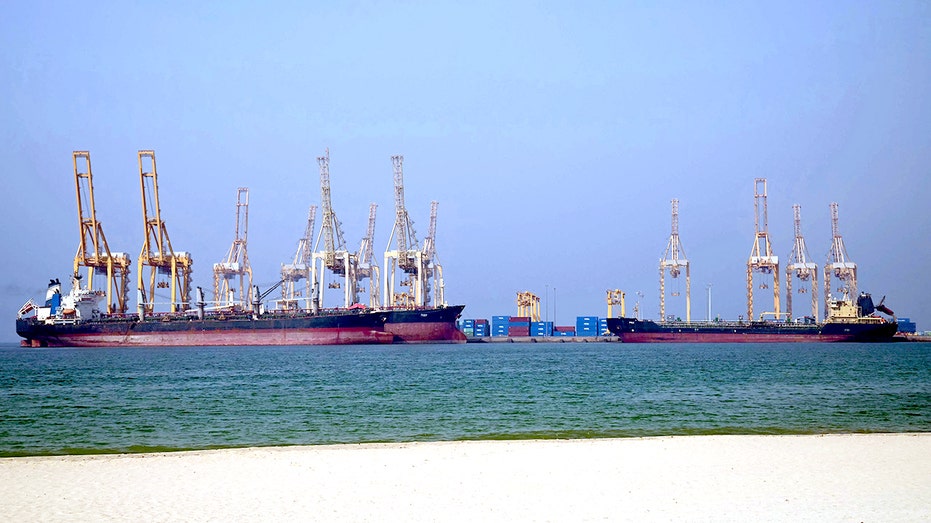
Surging oil prices have pushed gas prices higher, with AAA data showing that the national average price of gas at more than $4.48 a gallon as of Tuesday – up more than 41% from the $3.16 a gallon average that prevailed one year ago.
Jet fuel prices have also risen dramatically, topping $4 a gallon since the outbreak of the war after it cost less than $2.50 a gallon before the war began.
The dramatic rise in jet fuel prices contributed to the failure of Spirit Airlines as its bankruptcy exit plan was upended by mounting costs.
Reuters contributed to this report.
Read the full article here


